Vision After Traumatic Brain Injury
Vision problems after a concussion is common due to the disrupted communication between the eyes and the brain. Studies show that at least 50% of patients diagnosed with a Traumatic Brain Injury suffer from visual dysfunctions.
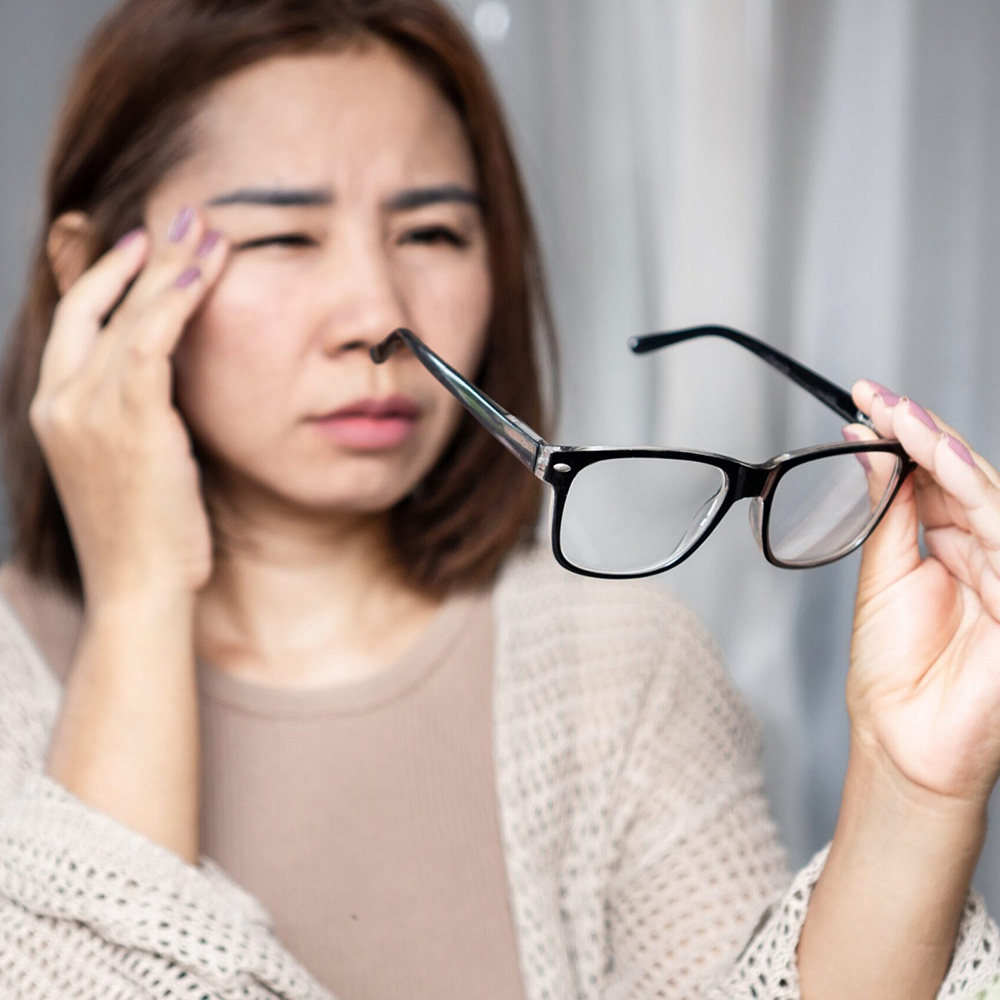
Common Vision Problems Following a Concussion:
Visual problems are often overlooked during initial evaluations. This is because symptoms may not appear until days or even weeks after the injury.A regular eye exam often does not reveal the extent that the visual process is affected from a concussive injury. Patients may be told their eyes appear healthy and that they are seeing clearly. However, higher-level visual processing in the brain may still be affected, which can cause ongoing symptoms.
Blurry Vision
Concussions can cause a change in prescription, dry eye syndrome and accommodative dysfunction (difficulty with focusing the eyes) which all can result in blurred vision.
Double Vision and/or Reduced Depth Perception
This can be extremely disorienting and can cause dizziness, difficulty balancing, walking, and reading. These problems can impair judgement of where objects are in space and cause difficulty with eye-hand coordination.
Eyestrain and Headaches
Vision-related headaches are often frontal or behind the eyes and patients often describe them as dull, achy, or feeling like pressure. Sometimes a full headache isn’t present, but the eyes feel very tired.
Visual-Motion Sensitivity and Dizziness
Patients may experience discomfort and even dizziness when scrolling on a computer screen or phone, or when in busy environments such as grocery stores, social settings, or sporting events.
Inaccurate and Slow Visual Tracking
This can result in a patient having difficulty keeping their spot while reading or while trying to follow a moving object (like a ball). Poor tracking often leads to impaired driving or anxiety while driving.
Light Sensitivity
After a concussion, one may experience difficulty being in environments with fluorescent lighting. They may also struggle with screen illumination and abrupt changes in lighting conditions (ex going from inside to outside).
Reduced Peripheral Vision
Post-concussion syndrome can result in reduced awareness of objects or people in one’s peripheral vision. This can result in being easily startled by things appearing from the side, or a tendency to bump into things that were not seen.
To schedule an evaluation with one of our providers or if you have questions about our program, please call us at (833) 882-8886.

We provide personalized care for a wide range of visual conditions that affect how you see, process, and interact with the world.

We offer a range of specialized treatments designed to improve visual function, strengthen the connection between the eyes and brain, and support overall quality of life.