Vision’s Impact on Learning
Learning-related vision problems affect how the brain collects and interprets visual information. As a result, in many cases, a child’s visual abilities aren’t sufficiently developed for them to be able to read – or learn to read – effectively.

According to the American Optometric Association, up to 80% of what a child learns is through their visual system. However, the Snellen chart (the 20/20 eye chart) alone will only identify 5% of the vision problems in children. Studies show 1 in 10 children have vision problems significant enough to impact learning.
Despite this, children with learning-related vision problems usually don’t tell a parent or teacher they have a problem. This is because they don’t realize how they are supposed to see letters, numbers, or objects. Children may see them doubled, blurred, or backwards and think that is how everyone sees. In other cases, they may lose their spot and think that indicates they aren’t smart when instead their eyes aren’t moving across the page appropriately.
Signs & Symptoms of Learning-Related Vision Problems
Information provided from OVDRA, source: https://www.covd.org/page/symptoms
Symptoms:
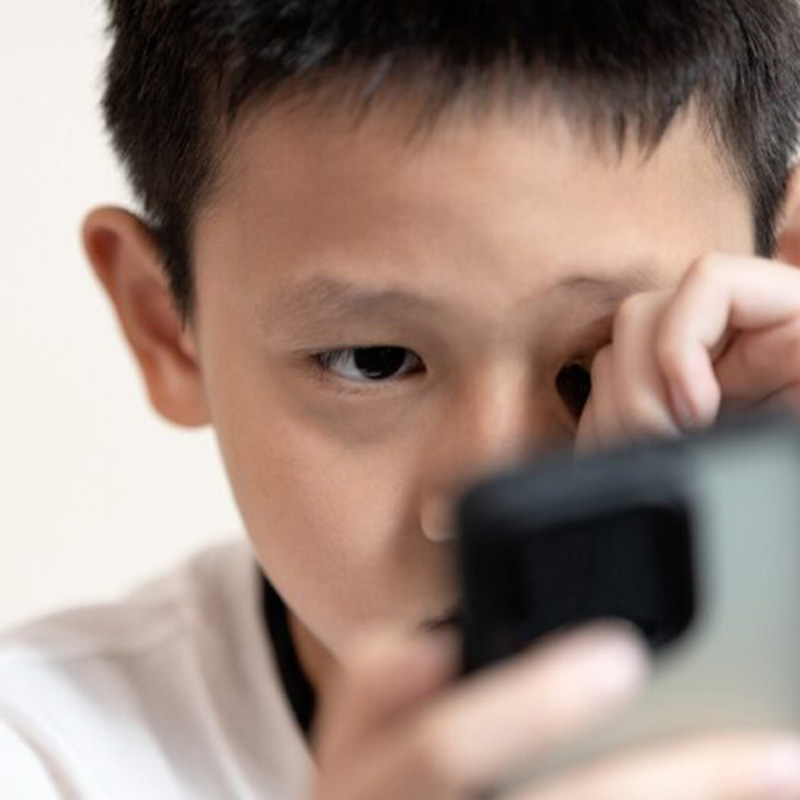
- Complains of blurred vision
- Rubs eyes frequently
- Squints
Possible Vision Problems
Nearsightedness
Farsightedness
Astigmatism
(inability to see clearly in the distance or up close)

Symptoms:
- Closes or covers one eye
- Occasionally sees double
- Rubs eyes frequently
- Able to read for only a short time
- Poor reading comprehension
Possible Vision Problems
Eye teaming problems
(inability to coordinate the eyes together effectively)

Symptoms:
- Eye teaming problems
- (inability to coordinate the eyes together effectively)
Possible Vision Problems
Eye focusing problems
(inability to easily refocus eyes or maintain clear focus)
Symptoms:
- Moves head excessively when reading
- Frequently loses place, skips lines when reading
- Uses finger to keep place
- Poor reading comprehension
- Short attention span
Possible Vision Problems
Eye tracking problems
(inadequate ability to smoothly and accurately move the eyes from one point to another)

Symptoms:
- Mistakes words with similar beginnings
- Difficulty recognizing letters, words, or simple shapes and forms
- Can’t distinguish the main idea from insignificant details
- Trouble learning basic math concepts of size, magnitude, and position
Possible Vision Problems
Faulty visual form perception
(inability to discriminate differences in size, shape, or form)

Symptoms:
- Trouble visualizing what is read- Poor reading comprehension
- Poor speller
- Trouble with mathematical concepts
- Poor recall of visually presented material
Possible Vision Problems
Faulty visual memory
(inability to remember and understand what is seen)

Symptoms:
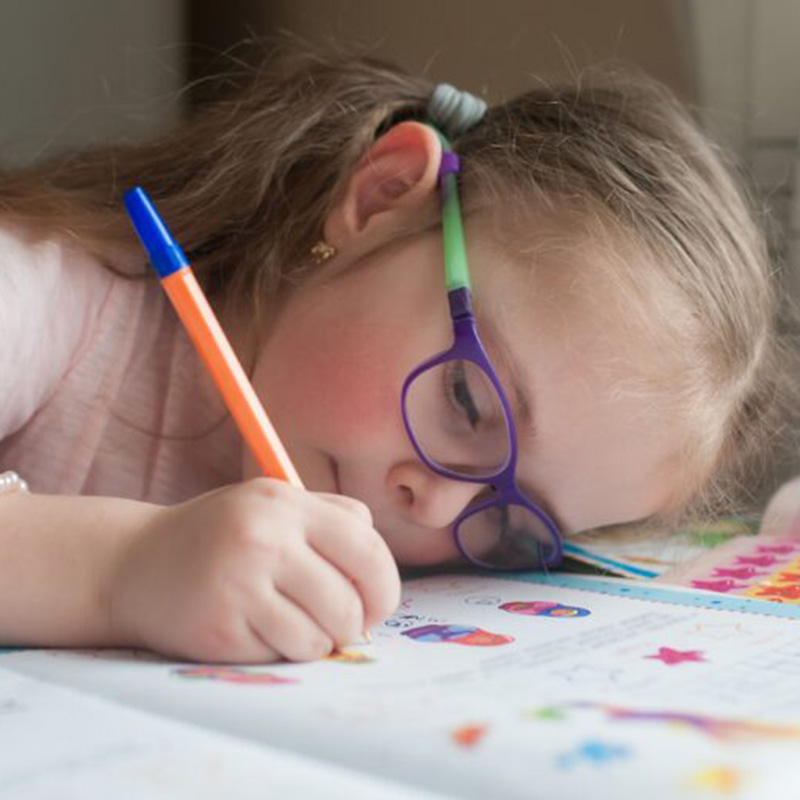
- Sloppy handwriting and drawing
- Can’t stay on lines
- Poor copying skills
- Can respond orally but not in writing
Possible Vision Problems
Faulty visual motor integration
(inability to process and reproduce visual images by writing or drawing)
Symptoms:
- Trouble learning right and left
- Reverses letters and words
- Trouble writing and remembering letters and numbers
Possible Vision Problems
Difficulty with laterality and directionality
(poor development of left/right awareness)

To schedule an evaluation with one of our providers or if you have questions about our program, please call us at (833) 882-8886.
We provide personalized care for a wide range of visual conditions that affect how you see, process, and interact with the world.

We offer a range of specialized treatments designed to improve visual function, strengthen the connection between the eyes and brain, and support overall quality of life.