Vision Impairment After Stroke
A stroke is a medical condition in which poor blood flow to a part of the brain causes cell death. Ischemic strokes are due to a lack of blood flow and hemorrhagic strokes are due to bleeding. Both cause parts of the brain to stop functioning properly. About 2/3 of stroke survivors have some sort of visual disorder and there are a wide range of ways that strokes impact vision.
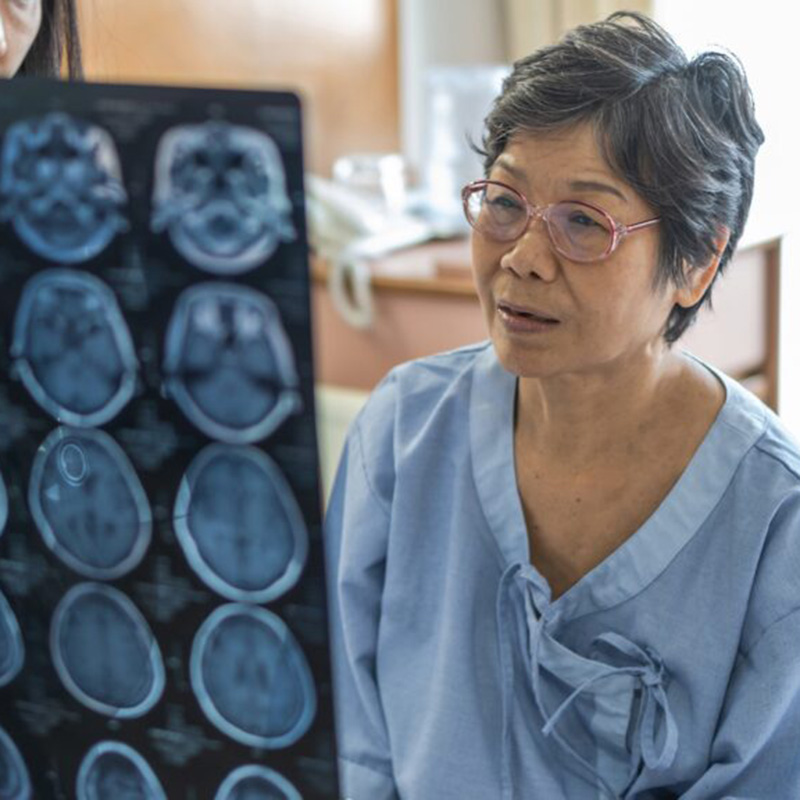
Common Vision Problems Following a Stroke:
Visual Field Loss
It is not uncommon for a patient with a stroke to lose some of their visual field. For some patients they lose the right or left half of their visual field (hemianopsia), for some they lose a quadrant of their visual field (quadranopsia), and for some they just have blind spots (scotomas).
Visual Neglect
This is when a patient fails to respond to stimuli in their left visual field. The inattention impacts not just vision, but all the senses. There is typically a lack of awareness that any deficit is present.
Double Vision
Strokes can cause strabismus that due to the sudden onset, result in double vision and a loss of depth perception.
Visual-Motion Sensitivity and Dizziness
Patients may experience discomfort and even dizziness when scrolling on a computer screen or phone, or when in busy environments such as grocery stores, social settings, or sporting events.
Visual Processing Errors
The way these errors present can vary widely depending on the part of the brain impacted. Sometimes we help patients with learning letters/numbers again, sometimes we help them with their visual memory so they can transfer information again, etc.
Poor Tracking
It is often difficult for someone to maintain strong visual tracking skills after a stroke. Visual field changes, double vision, and visual processing errors can all contribute to making the tracking skills needed to read and drive more challenging.

We provide personalized care for a wide range of visual conditions that affect how you see, process, and interact with the world.

We offer a range of specialized treatments designed to improve visual function, strengthen the connection between the eyes and brain, and support overall quality of life.